
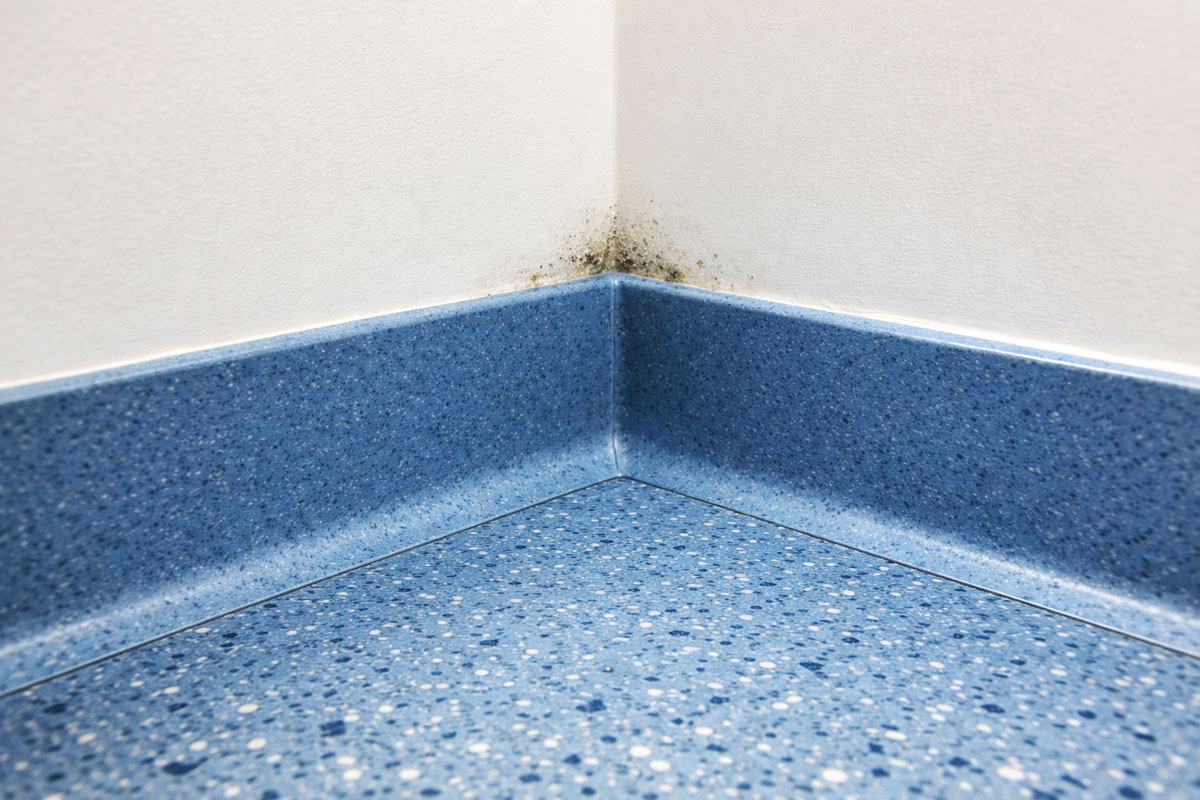
Most mold remediation jobs in long-term care don’t start as mold problems. They start as small leaks, slow drainage, or ventilation issues that don’t seem urgent at the time.
We’ve completed mold remediation in hallways, staff rooms, offices, and resident areas across Ontario — and in most cases, the moisture had been there for a long time.
Common Sources of Moisture We See in LTC Buildings
Some of the most common causes include:
- Leaking shower valves and plumbing
- Poorly vented laundry and dryer exhausts
- HVAC condensation and damaged ducting
- Roof, soffit, and cladding failures
- Inadequate site drainage
Once moisture gets into walls or ceilings, it doesn’t dry out on its own.
Why Mold Becomes a Bigger Issue in Long-Term Care
In LTC environments, mold isn’t just a building issue:
- It affects residents and staff
- It raises inspection and compliance concerns
- It often leads to room closures
Removing damaged materials is only part of the job. If the moisture source isn’t addressed, the problem usually comes back.
Warning Signs That Shouldn’t Be Ignored
Things that often show up before mold becomes obvious:
- Persistent musty smells
- Soft drywall or bubbling paint
- Flooring that keeps failing in the same spot
- Damp utility or staff rooms
Catching these early almost always keeps the scope smaller.
Our Approach to Mold and Moisture Repairs
At Heights Construction, we focus on finding where the moisture is coming from and fixing that first. That’s how you avoid repeating the same remediation work a few years later.
If you’re seeing moisture or mold issues pop up in the same areas, it’s worth having a conversation before it turns into a larger shutdown.